Morning Arrival: Getting Ready for the Day in Their Own Way
At 8:30 AM, students in uniform begin to arrive at the Vivaldi campus. Soft classical music drifts through the corridors and learning spaces, gently raising the curtain on a day of learning.
Some children head to the library for quiet reading; some stretch in the dance studio; others splash colors in the art room or conceptualize their next masterpiece. Some simply sit peacefully at their desks, listening to the morning news to connect with the outside world while settling their minds. During the time
before the first bell at 9:00 AM, we do not rush to push children into an "absorbing mode." Instead, we allow them to ease into the day in a way that suits them best, fully preparing them for the day ahead at Vivaldi.
9:00 AM Classes Begin: English Naturally Woven into Daily Greetings At nine o'clock sharp,
a familiar melody reminds the children that morning classes are about to begin. There is no rushing, nor are they abruptly yanked into a learning state; rather, they smoothly transition from their quiet morning time into the classroom.
English greetings between teachers and students happen naturally during this transition. To the children, English is not a subject confined to textbooks or exams, but a living language they hear, use, and gradually grow familiar with through everyday interactions.
When English becomes a natural part of daily communication, children learn far more than vocabulary and sentence structures—they build the confidence to understand and express themselves in authentic, real-world contexts.
First lesson: Taking learning steps through running classes and grouping
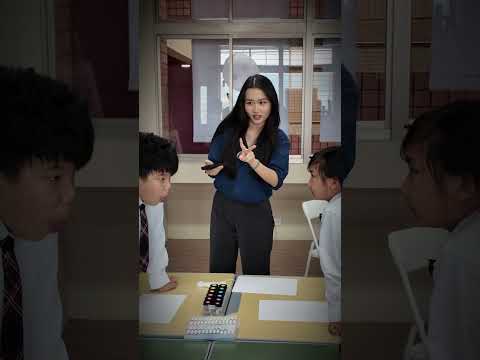
The First Period: Stepping Forward in Flexible Groupings and Rotating Classrooms During the first period, children dive into core academic subjects. Through rotating classrooms and flexible grouping, Vivaldi ensures that students are not restricted by rigid grade levels or a one-size-fits-all curriculum. Instead, they receive guidance tailored to their current learning stage.
Some children who already read fluently are ready to explore deeper content; others might be focusing on pronunciation or solidifying foundational concepts. Our teachers do not focus on how a child compares to others, but rather on where the child is right now and what their best next step should be.
This setup is not about lowering academic standards; it’s about allowing children to progress from the right starting line. Freed from the pressure of peer comparison, children have the space to recognize their own progress and steadily build academic confidence at their own unique pace.
P.E. and Swimming: Fostering Security and Embracing Challenges Through Physical Activity
Next, the children transition into a highly active physical education period. Learning happens beyond textbooks; it is deeply connected to a child's physical state, sensory experiences, and inner sense of security.
Today is swimming class. After changing into their gear, the children follow the teacher through safety reminders and warm-ups. For some, the anxiety before stepping into the water is very real. For others, the challenge lies in regulating their breath, controlling their movements, and allowing their bodies to work in harmony with the water.
Through repeated practice of breathing, kicking, turning, and propelling forward, children aren't just learning to swim—they are learning how to confront unfamiliar environments and physical challenges. When a child conquers a move that once frightened them or swims a little further than last time, what they feel isn't the thrill of outperforming others, but the empowering realization: "I actually did it."
Lunch and Rest: Allowing Body and Mind to Settle and
Recharge Midday marks a vital transition from morning learning to afternoon classes. Lunch is more than just refueling the body; it is a dedicated time for children to slow down and recenter themselves. After lunch, the children have a designated quiet time to lie down and rest.
For primary school-aged children, rest is not an interruption of learning, but a necessary structural element that restores their physical energy, emotional balance, and focus.
Only when children have truly rested can they engage in the afternoon’s music, reading, activities, and explorations with renewed stability and focus.
Afternoon Music Classes: Building Focus Through Listening, Practice, and Refinement
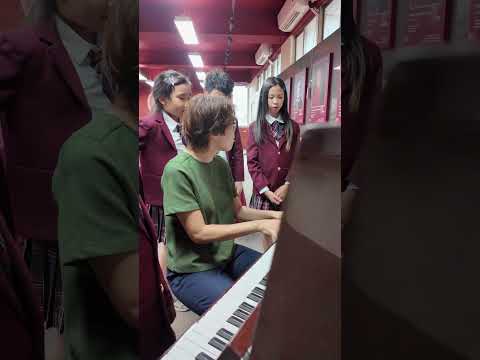
In the afternoon, Vivaldi’s core music curriculum begins. Children follow their individual schedules for instrumental learning, guided by teachers as they practice active listening, rhythm, physical coordination, and emotional expression.
Music is neither merely a showcase of talent nor a means to add another performance skill to a child's repertoire. For young learners, music is an intricate exercise in mindfulness: they must learn to hear their own sound while listening to the sounds of others. They must learn to wait, to start over, to make corrections, and to feel the underlying rhythm and order through repetitive practice.
These executive functions inevitably transfer to other areas of learning. The patterns found in mathematics, the focus required for reading, and the pacing needed for public speaking can all draw connections from musical training. When music, language, and core subjects are no longer siloed, children acquire more than fragmented knowledge—they learn how to synthesize understanding across diverse experiences.
Mixed-Age Activities: Finding Their Role Through Collaboration
The afternoon mixed-age activities offer children the invaluable opportunity to collaborate with peers of varying ages. Older students practice explaining concepts, leading, and managing the team's pace, while younger students are encouraged to voice their ideas and tackle tasks outside their comfort zones within a supportive group.
These activities are about much more than just completing a project or task. Throughout the process, children practice waiting their turn to speak, articulating their thoughts clearly, and empathizing with the reactions of peers at different developmental stages. Through collaboration, they gradually discover the unique roles they can play within a team. For a child, learning does not only happen through individual achievement; it is powerfully demonstrated through the process of accomplishing goals alongside others. Dismissal Time: Practicing Self-Care from Packing Bags to After-School Plans Before dismissal, the children begin packing their bags and organizing their belongings.
While adults might see this as a trivial end-of-day chore, for children, it is
Before and after school: From organizing your backpack to making after-class arrangements, practice taking care of yourself
a crucial exercise in self-management.
They must mentally retrace what they brought to school, what tasks they completed, and what they need to prepare for tomorrow. Through these daily routines, they slowly build a sense of personal order and responsibility.
After school, some children participate in clubs or specialized programs to dive deeper into their passions; others receive tailored academic support, giving them the chance to untangle any difficulties they encountered during the day. The end of the day is not merely about dropping their backpacks—it’s about allowing each child to gently wrap up their daily learning at a rhythm that suits them.
At the End of the Day: Taking Home More Than Just Textbook Knowledge By the time the day ends, a child may not be able to recite exactly what they learned in every single class.
But they might remember speaking up in English one more time than usual. They might remember conquering a move in the pool that once scared them. They might remember finally playing a melody a little smoother than they did yesterday. Or they might remember proposing an idea during a group activity and feeling truly heard by their peers. These experiences may not translate immediately into test scores, but they gradually build a child's understanding of themselves: I can speak up and express myself. I can face challenges. I am finding the learning rhythm that works for me. As an experimental education institution dedicated to accompanying children as they grow, Vivaldi is not in a rush to push every child toward the exact same standardized answers. Instead, through music, language, physical education, core academics, and daily interactions, we hope to walk alongside our students as they discover their own capabilities step by step. A day at Vivaldi proves that learning doesn’t just happen in textbooks. It happens in how a child embraces the morning, how they enter the classroom, how they confront challenges, how they collaborate with others, and how, at the end of the day, they go home feeling that they have grown just a little bit more.
These experiences may not immediately turn into scores, but they gradually accumulate into your child's self-understanding:
I can express myself.
I can face some challenges.
I am finding a learning pace that suits me.
As an experimental educational institution that accompanies children as they grow up, Vivaldi does not rush to push children toward the same standard answers. Instead, it hopes to accompany children step by step in discovering their own abilities through music, language, physical fitness, core subjects, and daily interactions.
A day at Vivaldi isn't just about the textbook—it's also about how children greet the morning, enter the classroom, face challenges, collaborate with others, and at the end of the day, feel a bit better.